
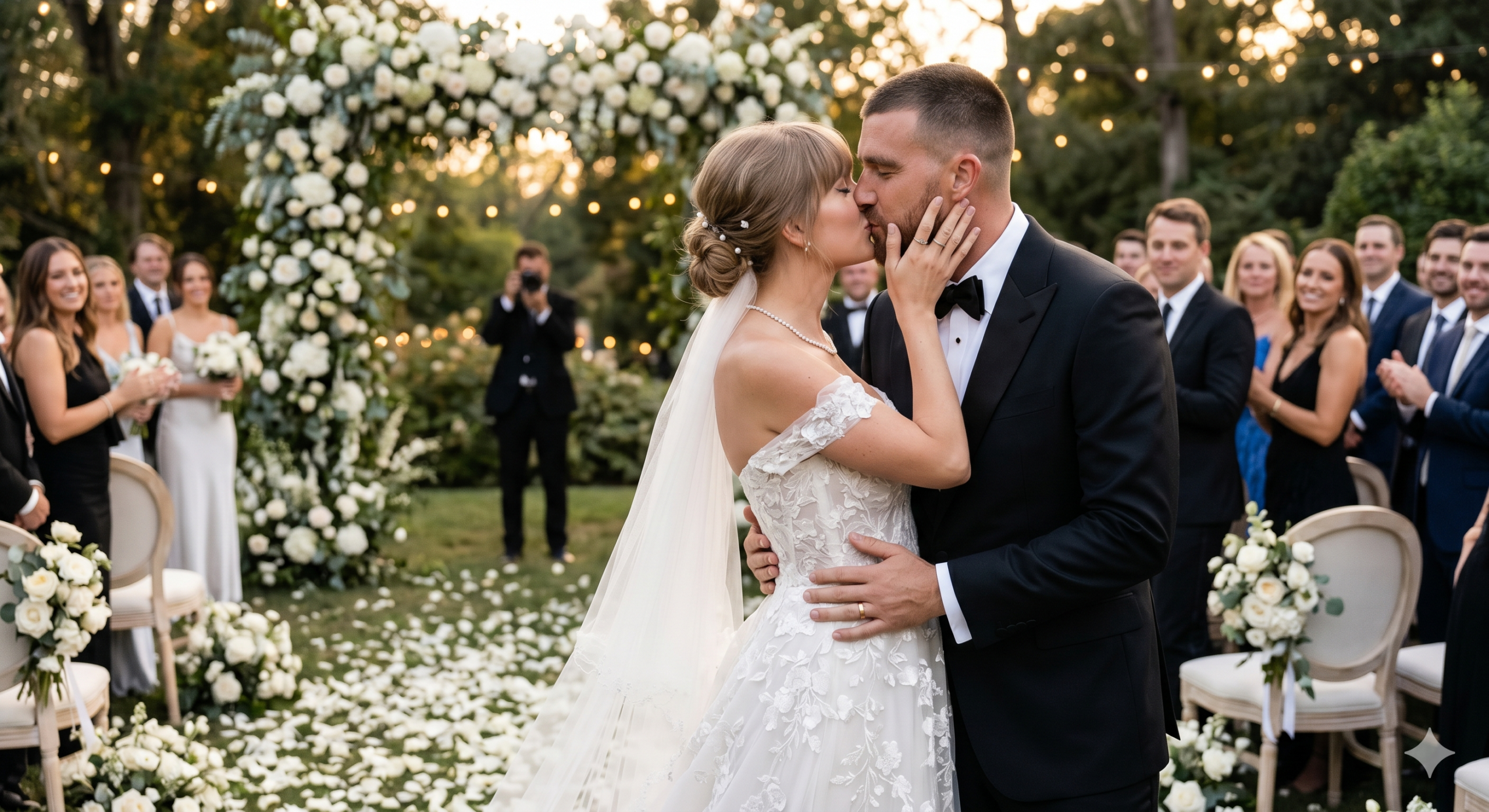
Taylor Swift and Travis Kelce Wedding
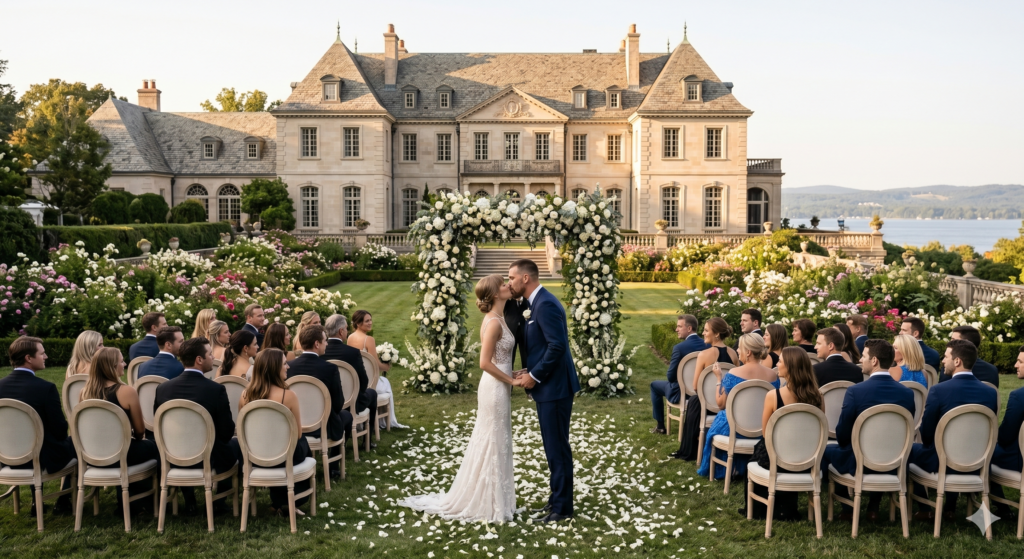
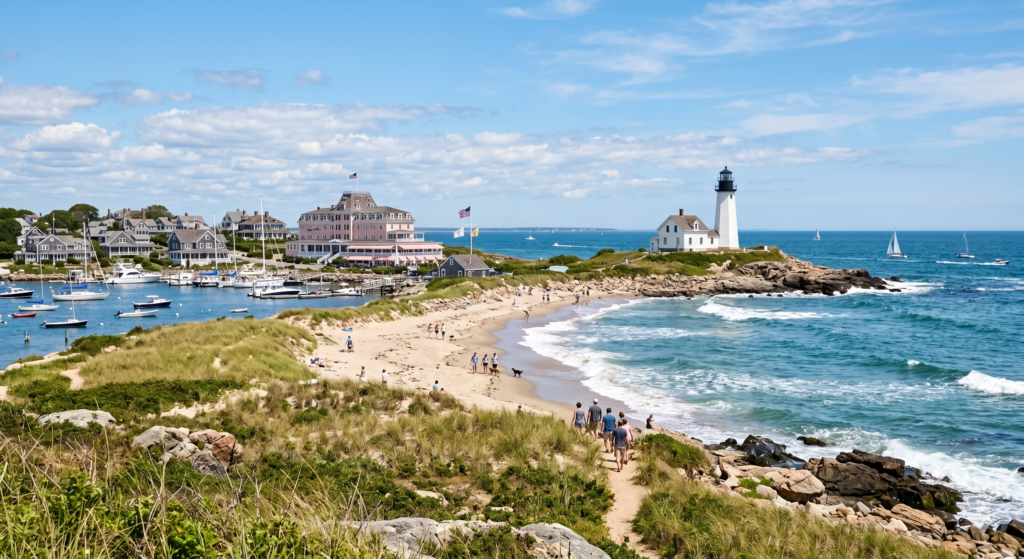
Taylor Swift and Travis Kelce are preparing for a high-production wedding ceremony at the singer’s Hilltop estate in Watch Hill, Rhode Island. The installation of a massive professional stage on the property grounds confirms that the event will function as both a private union and a large-scale musical production. This coastal gathering requires specialized infrastructure, including industrial-grade power systems and advanced security perimeters, to accommodate a guest list comprising global entertainment icons and professional athletes.
The scale of this event mirrors the complexity of a stadium tour, necessitating months of coordination with local Westerly authorities and private logistical firms. Event Strategy Group provides this professional analysis to explain the technical requirements and planning standards used for events of this magnitude. Understanding the coordination behind such a high-profile ceremony offers clear insights into the current standards of the luxury event industry.
Technical Infrastructure and Coastal Stage Construction
The most visible sign of the upcoming nuptials is the construction of a custom performance venue on the lawn of the High Watch estate. A report from TMZ highlights that crews are currently erecting a structure capable of supporting heavy lighting rigs and sophisticated audio arrays. Building a stage on a coastal bluff presents unique engineering hurdles, specifically regarding wind resistance and soil stability.
Standard event stages often use weighted ballast systems to remain secure during high ocean breezes. Because the Rhode Island coastline is prone to sudden weather shifts, the production team must ensure the stage meets strict safety codes. This type of setup typically involves a crew of dozens working for several weeks to integrate power distribution and soundproofing measures that prevent noise pollution from affecting the surrounding residential neighborhood.
Logistics of High-Profile Guest Management
Managing the arrival and movement of hundreds of famous individuals requires a choreographed transportation plan. According to details shared by Yahoo Entertainment, the guest list includes various high-profile figures who require specialized security and privacy protocols. This influx of visitors places a temporary but significant demand on local infrastructure, from regional airports to luxury car services.
Most guests will likely arrive through private terminals at Rhode Island T.F. Green International Airport or smaller local airfields. From there, a fleet of vetted drivers manages the final leg of the trip to Watch Hill. To maintain order, planners often coordinate with local police to establish temporary traffic patterns, ensuring that the narrow roads leading to the estate do not become congested with onlookers or unauthorized vehicles.
Bonus Tip: When managing high-profile arrivals, use a decentralized check-in process. Instead of one main entrance, establish multiple entry points based on guest priority or transport type to prevent bottlenecks and reduce the visibility of guests to outside cameras.
Economic Impact on the Rhode Island Coast
A wedding of this caliber functions as a significant economic driver for the local community. Data from Fortune Business Insights shows that the luxury wedding market is seeing a rise in “event-style” ceremonies that prioritize high-end production over traditional small-scale gatherings. This trend results in massive spending on local vendors, including catering companies, floral designers, and hospitality staff.
Local hotels in Westerly and the surrounding areas often see total buyouts for such events. This means every room is reserved for guests or staff, providing a concentrated boost to the local tourism economy. The demand for high-end services also requires importing talent from major hubs like New York or Los Angeles, further expanding the financial scope of the production.
Comparing Event Requirements for High-Capacity Weddings
Planning for a wedding with a concert-grade stage requires a different set of resources than a standard luxury event. The following table compares the typical requirements for these two types of gatherings.
| Feature | Standard Luxury Wedding | High-Production Event (Swift/Kelce) |
|---|---|---|
| Power Needs | Standard venue or small generator | Multiple industrial-grade generators |
| Setup Time | 2 to 4 days | 2 to 4 weeks |
| Security Detail | 5 to 10 personnel | 100+ personnel including K9 units |
| Stage Capacity | Small band or DJ booth | Full concert rig and dance floor |
| Legal Permits | Standard noise and assembly permits | Coastal, structural, and flight restriction permits |
Bonus Tip: For events requiring massive power, always insist on redundant generator systems. If the primary power source fails during a performance, a “hot-switch” backup ensures the lights and sound remain active without a second of downtime.
Security and Privacy Shielding
Protecting the privacy of the couple and their guests is a primary concern for the security team. High Watch is already a well-fortified property, but the wedding necessitates additional layers of defense. This includes maritime security to prevent boats from getting too close to the shoreline and no-fly zones to deter unauthorized drones.
The use of signal-masking technology is common at events where privacy is paramount. Security teams also monitor social media in real-time to identify any potential breaches or gatherings of crowds near the property perimeter. These measures are not just about exclusivity; they are essential for the safety of the high-profile individuals in attendance.
Key Challenges for Private Estate Productions
Organizing a large-scale wedding on a private estate involves several critical factors that can affect the success of the event.
- Environmental Permits: Coastal properties are often protected by strict environmental laws. Any construction, even temporary, must be approved to ensure it does not damage local dunes or wildlife habitats.
- Neighbor Relations: Noise and traffic can create friction with local residents. Proactive communication and offering solutions, such as temporary parking passes for neighbors, can help maintain community goodwill.
- Vendor Load-In Logistics: Private estates often have narrow driveways not designed for 18-wheeler production trucks. Planners must determine if equipment needs to be transferred to smaller vehicles before reaching the property.
- Environmental Maintenance: Salt air and high humidity pose risks to sensitive musical instruments and electronic equipment. Utilizing climate-controlled covers and specialized anti-corrosive treatments is essential for preserving high-end gear in coastal settings.

Practical Insights for Large Scale Coordination
Successfully executing a wedding on this level depends on the ability to manage thousands of moving parts simultaneously. Event Strategy Group emphasizes that the most successful events are those where the infrastructure is invisible to the guests. This requires a “back-of-house” operation that is as disciplined as a military maneuver.
Bonus Tip: Create a detailed “load-out” plan before the event even begins. Removing a massive stage and cleaning a private estate can be more chaotic than the setup if not managed with a strict schedule. This prevents damage to the property and ensures the site is returned to its original state quickly.
Strategic Perspectives on the Event Experience
The logic behind the timeline and the guest experience often sparks inquiry. Planning for an event involving stage construction typically starts over a year in advance. This ensures a seamless multi-day experience that integrates local activities. Furthermore, maintaining a personal feel amidst such scale is achieved by designing intimate lounge pockets within the expansive venue.
Frequently Asked Questions: Taylor Swift and Travis Kelce Wedding
How long does it take to build a stage of this size?
A professional event stage for a residential property usually takes between ten and fourteen days to assemble. This includes the structural frame, the flooring, and the integration of lighting and sound equipment. Weather delays can extend this timeline, so planners always build in a buffer of several days.
What is the role of local law enforcement in a private wedding?
Local police primarily manage public safety and traffic flow on the streets surrounding the venue. They do not typically provide security inside the private event but work closely with the couple’s private security team to ensure that the public is not endangered by the increased activity.
Do guests have to follow specific technology rules?
At many high-profile weddings, guests are asked to place their phones in secured pouches or leave them at a designated check-in desk. This prevents unauthorized photos or videos from being leaked to the public before the couple releases their own official images.
How are the catering needs of hundreds of guests met on a private estate?
Planners build temporary professional kitchens on the property. These mobile units are fully equipped with ovens, refrigeration, and prep stations, allowing chefs to produce restaurant-quality meals for hundreds of people in a location that otherwise lacks a commercial kitchen.
What happens to the stage after the wedding?
Once the event concludes, the stage is dismantled and removed by the production company. The lawn is then meticulously restored, which may involve resodding areas that were covered by the structure to ensure the estate returns to its pristine condition.
Closing Guidance for Event Planning
The Taylor Swift and Travis Kelce wedding is a prime example of how modern celebrations can scale into major productions. By integrating professional-grade entertainment infrastructure with a private residential setting, the couple is creating a unique experience that reflects their public and private lives. Successful events of this scale rely on early permit acquisition, robust security, and a deep understanding of technical logistics.
Anyone planning a significant gathering should prioritize a solid infrastructure foundation. Evaluating the property’s limits and the technical needs of the entertainment early in the process prevents costly last-minute adjustments. Event Strategy Group recommends focusing on the logistical “spine” of the event to ensure a smooth experience for all involved.
Stay in Touch for more updates!