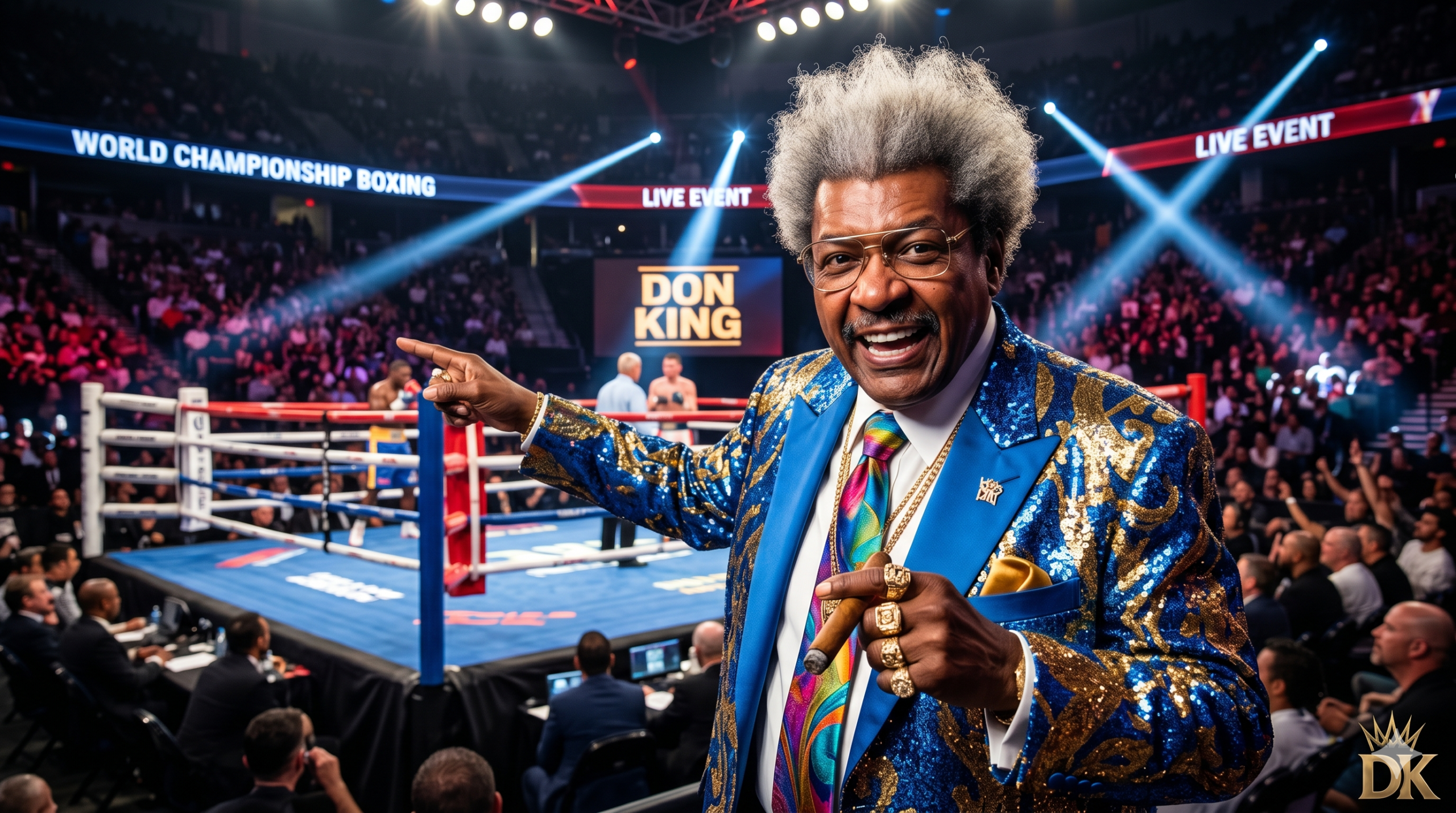
Don King Net Worth: Inside the Promoter’s $150 Million Boxing Empire
Don King holds an estimated net worth of $150 million. The famous American boxing promoter amassed this fortune by orchestrating some of the most lucrative events in combat sports history. From the 1970s through the 1990s, he controlled the heavy-hitting financial side of boxing, negotiating record-breaking purses and securing massive television deals.
Readers seeking to understand the mechanics behind this immense wealth will find a complete breakdown of his financial timeline here. Net Worth Update routinely evaluates the financial trajectories of high-profile individuals, providing reliable data to understand how massive sports empires generate and sustain capital.
The Financial Breakdown of a Boxing Empire
King generated unprecedented revenue by shifting boxing from basic stadium events into global television spectacles. During his peak active years, he controlled the rights to major heavyweight fighters and dictated the terms of pay-per-view broadcasting. This distribution model forced fans to pay premium prices to watch live events from their homes, creating a massive influx of cash.
This massive figure stems from his ability to act as both manager and promoter simultaneously, a practice that allowed him to control both sides of the negotiating table. He collected management fees from the athletes while also taking the promoter’s cut from ticket sales, broadcasting rights, and merchandise.

His income strategy relied on securing long-term television contracts and controlling the promotional rights of the winning fighter. If a challenger wanted a shot at a champion managed by King, the challenger had to sign an agreement granting King future promotional rights. This guaranteed that King retained control of the championship belt and the associated revenue stream, regardless of who won the actual fight.
Table: Major Revenue Events in Don King’s Career
| Event / Milestone | Year | Financial Value | Impact on Net Worth |
|---|---|---|---|
| Rumble in the Jungle | 1974 | $100 Million Gross | Established global promotional dominance |
| Holyfield vs. Tyson II | 1997 | $110 Million Gross | Maximum pay-per-view saturation |
| Mike Tyson Settlement | 2004 | -$14 Million | Direct loss from legal disputes |
| Terry Norris Settlement | 2002 | -$7.5 Million | Direct loss from legal disputes |
Bonus Tip: King’s career demonstrates that controlling distribution channels often yields higher long-term returns than simply creating a product. Securing broadcast or distribution rights established his highly effective recurring revenue model.
Major Earnings from Historic Bouts
The foundation of his financial success traces back to 1974. King organized “The Rumble in the Jungle” between Muhammad Ali and George Foreman in Zaire. He promised both fighters a $5 million purse, a staggering amount for that era. To secure the funding, King negotiated with foreign governments and international investors who wanted to boost their global visibility. Information provided by Britannica explains that this particular fight set a new standard for sports promotion by combining athletic competition with multi-day music festivals and global closed-circuit television distribution. This single event proved that boxing could generate revenue comparable to major international corporations.
Following this success, King attached himself to Mike Tyson during the peak of the heavyweight division’s popularity. Tyson’s fights generated hundreds of millions of dollars in the late 1980s and 1990s. When Tyson fought Evander Holyfield in 1997, the event grossed $110 million. King extracted massive management fees, promotional cuts, and consulting charges from these events. He built a promotional machine that monetized every single aspect of a fight, from the venue concessions to the international rebroadcast rights.
Bonus Tip: This era of boxing highlights the value of diversifying income streams within a primary industry. While relying solely on ticket sales limits growth, King multiplied his total revenue by consistently incorporating broadcast rights, merchandise, and lucrative sponsorships.
The Financial Impact of Legal Disputes
A complete analysis of his wealth requires examining the massive financial losses he incurred through litigation. Many fighters represented by King eventually filed lawsuits alleging financial misconduct. These legal battles significantly reduced his total capital and forced him to liquidate various assets to cover court costs and settlements.
Legal Disputes
The most famous legal dispute involved Mike Tyson. After realizing large portions of his earnings were missing, Tyson sued King for $100 million. A financial report from August Man Singapore confirms that Tyson eventually accepted a $14 million settlement in 2004. Other fighters also took action. Terry Norris secured a $7.5 million settlement after accusing King of underpaying him for televised fights. Tim Witherspoon settled for $1 million after claiming he was forced to sign exclusive promotional contracts under duress. These constant legal payouts explain why King’s current net worth sits at $150 million rather than reaching into the billions, considering the sheer volume of money his events generated over forty years.
Bonus Tip: These historical disputes underscore the absolute necessity of transparent accounting in business partnerships. Obscuring financial records frequently leads to expensive litigation, which can destroy accumulated wealth faster than sudden market downturns.
The following detailed timeline tracks the financial trajectory of the famous boxing promoter through 2026. Analyzing these milestones provides clear insight into how wealth fluctuates through decades of active promotion and subsequent legal challenges.
Historical Net Worth Progression
Tracking the exact wealth of a private sports promoter requires reviewing major revenue events alongside legal settlements. Financial estimates indicate his fortune stabilized at $150 million in recent years. He generated over $1 billion in total career revenue. Massive legal payouts and high operating costs kept his personal capital from reaching the billionaire status many fans expected.
Table: Don King Estimated Net Worth Progression (1980 to 2026)
| Year | Estimated Net Worth | Major Influencing Factors |
|---|---|---|
| 1980 | $10 Million | Early success from Muhammad Ali and George Foreman events |
| 1990 | $50 Million | Heavyweight boxing boom and initial Mike Tyson promotions |
| 1998 | $200 Million | Peak earnings following the Evander Holyfield and Mike Tyson rivalry |
| 2005 | $130 Million | Capital reduction following major legal payouts to former fighters |
| 2015 | $150 Million | Financial recovery through private real estate investments |
| 2026 | $150 Million | Current wealth maintained via asset retention and classic media rights |
Bonus Tip: King’s later years show that stabilizing capital after massive business losses often involves shifting away from high-risk active ventures. His recovery approach centered heavily on long-term asset retention, such as real estate and intellectual property.
Things to Consider Before Making a Decision
Before selecting a talent manager, sports promoter, or financial representative, individuals must evaluate several pre-decision factors. The historical data from boxing promotions serves as a strong warning for modern athletes and entertainers.
- Contractual Obligations: Review all clauses relating to future rights. Promoters often bury exclusive representation requirements within standard fight contracts.
- Conflict of Interest: Ensure your representative is not also acting as the event promoter. When one person controls the venue payout and the athlete’s management fee, the athlete usually loses money.
- Audit Rights: Demand regular, independent audits of all revenue streams. You must have the ability to inspect the raw financial data, including pay-per-view buys and merchandise sales.
- Legal Protections: Retain an independent lawyer who has no ties to the management agency to review all documents before signing.
Frequently Asked Questions About Don King Net Worth
How much money did Don King make from Mike Tyson?
King extracted tens of millions of dollars from Tyson’s career through combined management fees, promotional cuts, and undocumented expenses. While exact figures remain hidden due to poor accounting practices at the time, Tyson’s $100 million lawsuit highlighted the massive scale of the diverted funds.
Did Don King declare bankruptcy?
No, Don King never declared personal bankruptcy. Despite facing numerous lawsuits and paying tens of millions in legal settlements, his initial profit margins on major fights were large enough to sustain his wealth.
Where does the majority of his remaining wealth come from?
His current $150 million fortune consists of historical earnings invested in real estate, private business ventures, and accumulated interest. He also retains the promotional rights to an extensive library of classic fight footage.
How did he fund his first major promotion?
King did not use his own money to fund “The Rumble in the Jungle.” He convinced the government of Zaire to supply the $10 million needed to pay Muhammad Ali and George Foreman, proving his high-level sales abilities.
Why is his net worth lower than expected?
High legal fees, massive out-of-court settlements to former fighters, and lavish personal spending over four decades heavily reduced his total capital.
Final Thoughts on Wealth Management
The financial history of this famous sports promoter demonstrates the massive earning potential within independent event promotion. It also highlights the severe financial drain caused by poor business ethics and constant litigation. Readers should apply these lessons to their own professional partnerships by demanding transparency, avoiding conflicts of interest, and maintaining strict control over personal contracts. Evaluate your exact situation, establish clear boundaries with representatives, and protect your long-term goals through independent legal counsel.